

2026-Mar-Thu
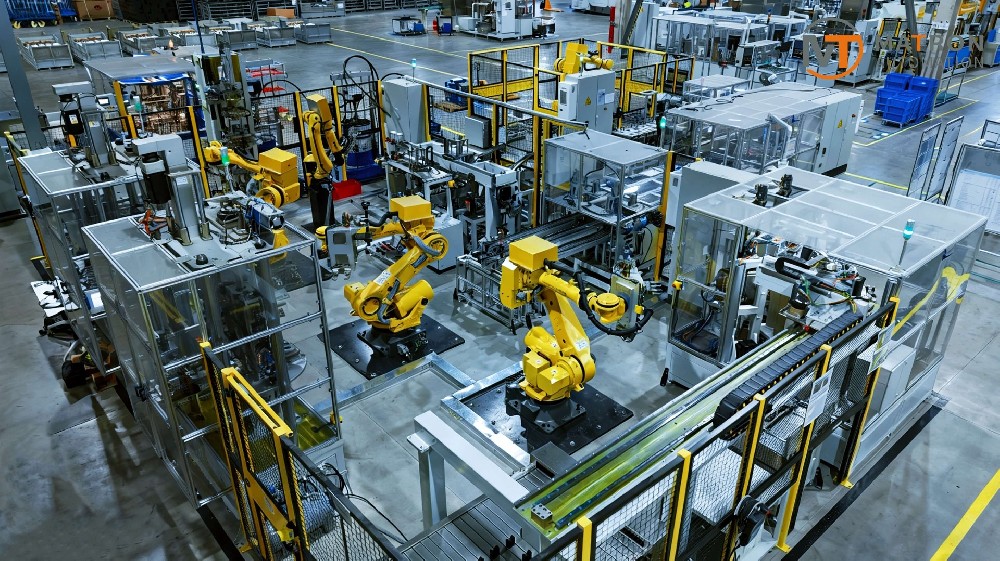
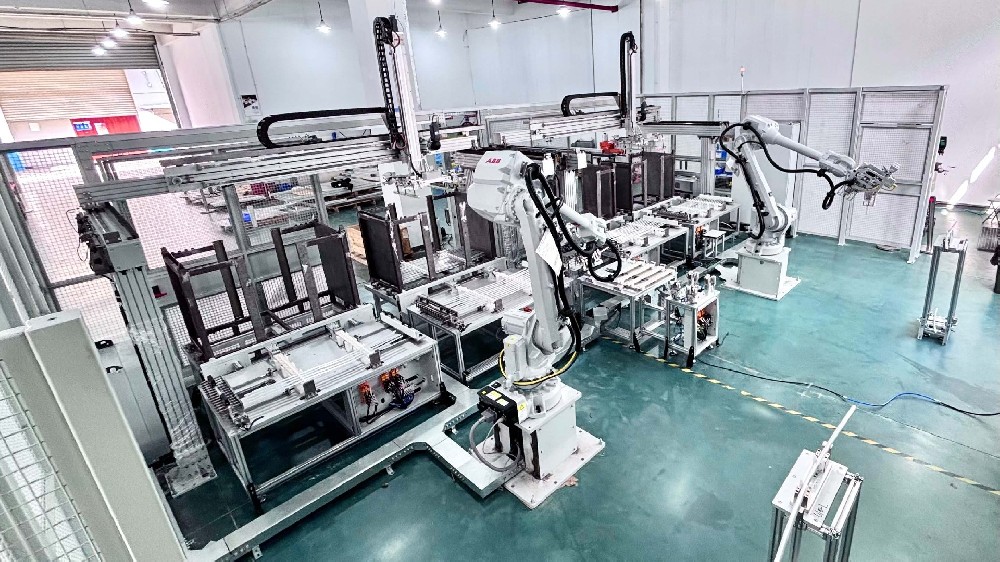
As smart manufacturing advances into deeper waters, digital transformation is shifting from an "optional initiative" to a "must-have" for custom automation companies. Industry observations show that leading players are accelerating their evolution from traditional "technology equipment providers" to "data-driven solution partners."
From "Selling Equipment" to "Selling Data": A Value Reinvention
For years, the core value of custom automation companies lay in delivering tailored hardware equipment and production line integration. However, with the maturation of technologies like the Industrial Internet and AI, customer demands have expanded beyond simple "machine-for-human replacement" to encompass visibility, predictability, and optimization of production processes.
This means the deliverables of custom automation companies are evolving from standalone physical production lines into a "hardware + software + data" ecosystem. Suppliers capable of providing operational data, process optimization recommendations, and predictive maintenance services are building entirely new competitive advantages.
As one industry expert notes: "The future competition in custom automation won't be about who can get the equipment running — it will be about who can help customers run it better, leaner, and more reliably."

Six Core Paths to Digital Transformation
Based on the practices of industry leaders, digital transformation in custom automation revolves around six key dimensions:
01 Technology Integration: Giving Equipment a "Voice"
By implementing IoT, AI, and big data technologies, equipment becomes fully connected and capable of data generation. This shift moves from single-point physical measurement to multi-sensor fusion, and from isolated field buses to industrial IoT architectures based on open standards like OPC UA and MQTT — transforming traditionally "silent" production lines into sources of real-time data.
02 Platform Development: Building Digital Production Management Systems
Establishing digital management platforms (MES / WMS / QMS) that cover production planning, material requirements, inventory control, and quality monitoring enables real-time oversight and closed-loop feedback. From order placement to finished goods storage, the entire process becomes transparent, traceable, and alert-capable.
03 Process Optimization: Data-Driven Lean Manufacturing
Analyzing vast amounts of production data helps identify bottlenecks, optimize cycle times, and reduce unplanned downtime. Traditional "master craftsman" process tuning is being replaced by data-driven parameter optimization — significantly cutting changeover times.
04 Quality Improvement: From "Post-Event Inspection" to "Preventive Action"
Real-time process monitoring allows systems to detect quality defects the moment they occur and trace root causes through correlation analysis with upstream parameters. Machine learning models trained on historical data can even predict which batches are at risk, enabling proactive prevention.
05 Talent Development: Building Digitally-Savvy Teams
Digital transformation is as much about people as it is about technology. Leading companies are systematically recruiting and developing professionals who understand both automation technology and data analytics — while accelerating digital literacy training for frontline employees.
06 Ecosystem Collaboration: Building Open, Win-Win Digital Networks
Forward-thinking custom automation companies are forging deep partnerships with sensor suppliers, industrial software developers, cloud platform providers, and research institutions. Together, they deliver complete digital solutions and respond faster to diverse customer needs.

Challenges & Responses
Despite the clear direction, digital transformation presents several challenges:
Challenge | Response Strategy |
Unclear ROI | Start with targeted pilots addressing the most urgent customer pain points |
Data Silos | Establish unified data collection standards using open protocols like OPC UA |
Talent Shortage | Combine internal upskilling with external hiring; partner with universities |
Security Concerns | Offer on-premises deployment options; strengthen data security and compliance |
As one industry analyst puts it: "Digital transformation requires a clear strategic plan, sustained investment in R&D and innovation, and continuous iteration through trial and error. That's the only way to stay competitive in a fierce market."
Looking Ahead: Data as the "New Oil" of Custom Automation
As digital transformation deepens, data is becoming the core asset of custom automation companies. Those that help customers unlock data value, optimize production processes, and improve equipment efficiency will lead the next wave of industrial upgrading.
The future competition in custom automation won't be about "whose equipment runs faster" — it will be about "whose data understands production better." In this sense, digital transformation is not just a technology upgrade, but a fundamental business model reinvention: shifting from one-time equipment delivery to continuous value creation.
For manufacturers seeking intelligent upgrades, choosing a partner with proven digital delivery capabilities is becoming a key strategic decision — one that directly impacts their ability to adapt to market changes and build long-term competitiveness.
Matron Automation stays at the forefront of digital transformation in the custom automation industry. We are committed to delivering "hardware + software + data" integrated smart production line solutions, helping manufacturers achieve true cost reduction, efficiency gains, and intelligent upgrades.
Disclaimer: This article is compiled from publicly available online information and industry reports, shared by [Matron Automation] for industry exchange and reference purposes only. Copyright belongs to the original authors. Please contact us if you have any concerns.
 Trending News